
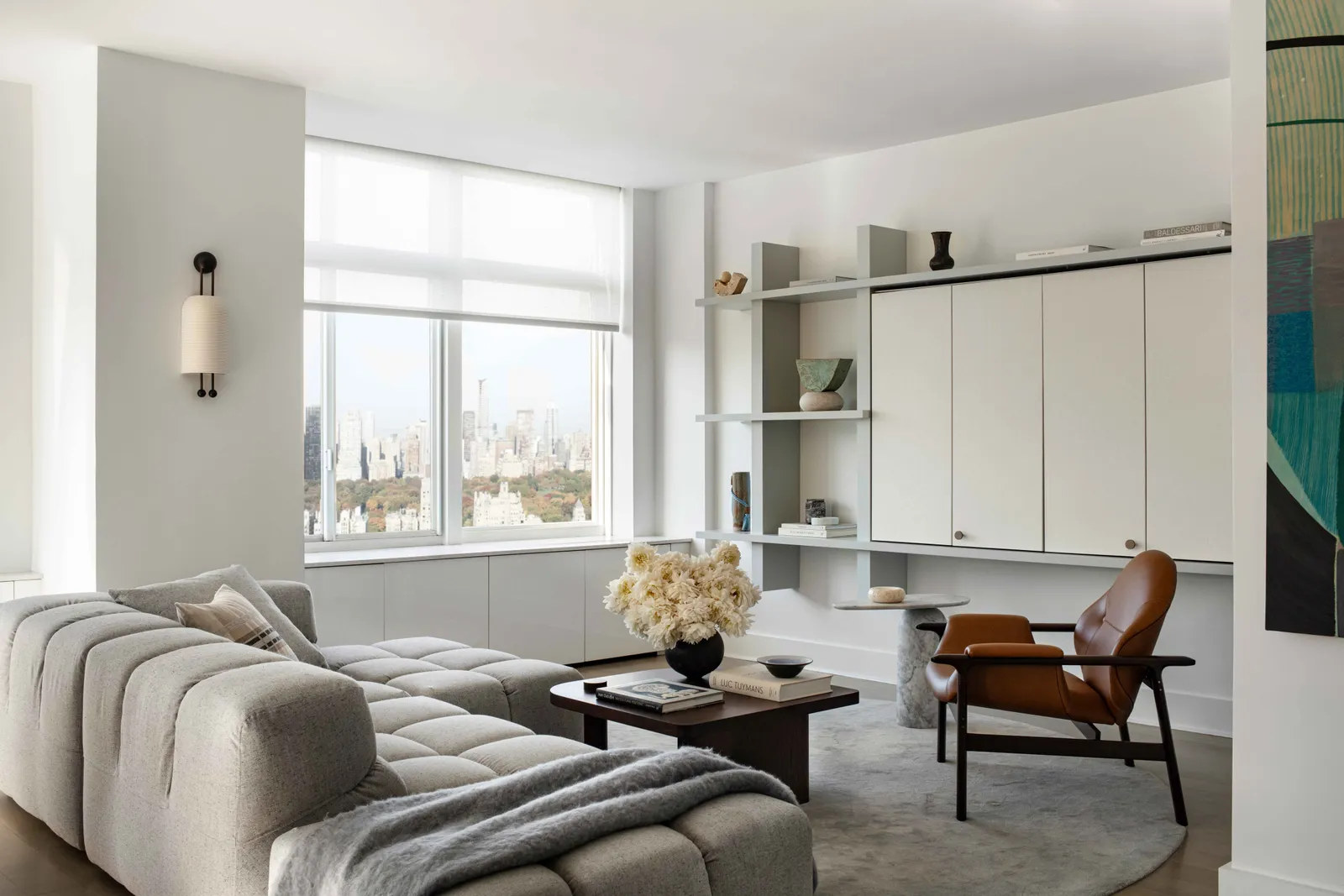
When working with a high-end interior designer, the project will be broken into phases. At Lucy Harris, our work moves through Direction, Design, Purchasing and Installation. We get to know you and agree on a look, a furniture plan and a budget; source pieces a few rooms at a time; purchase and receive what you approve; then install everything, finishing with the art, accessories and objects that complete the home.
Every designer approaches them a little differently and names them differently. Architectural design consulting runs alongside every project, with the depth varying depending on the scope.
Here is what you can expect, from the first conversation through the furniture, art and objects that complete the home.
The four phases at a glance
- Direction: getting to know you, setting the aesthetic concept, planning the furniture layout and agreeing on a budget.
- Design: sourcing real pieces, a few rooms at a time, at different price points.
- Purchasing: ordering what you approve, then receiving, inspecting and storing it until installation.
- Installation: installing lighting, furniture and rugs, then adding art, accessories and objects as the final layer.
Phase 1: Direction
Direction is where your designer learns how you live and what you love, and turns that into an aesthetic concept, a furniture plan and a budget.
What your interior designer needs to know about you
The first part of the process is about understanding your preferences, the scope of the project, your needs, your likes and dislikes and your aesthetic taste.
Just as important are the factors that will influence the design. How important is comfort to you? How much maintenance are you comfortable with when it comes to materials? Do you have children or pets? How much do you entertain? How important is it for you to sit on things and see things in person?
Your availability for meetings, the style of communication you prefer and how hard or easy decision-making is for you are important too. A good designer is getting insight from you about how best to work with you, as well as understanding the aesthetic and practical needs of the project, so that when the design work begins there is a lot of information to go on.
It does not have to be extremely detailed at this stage. But if you are able to compile notes, preferences, desires and the things that are important to you and share them early in the project, it will benefit everybody and ultimately the success of the design.
What is an aesthetic concept?
The next part of Direction is the aesthetic concept. Many high-end interior designers and high-end architects establish this before beginning detailed design work. Some people call it a mood board. At Lucy Harris, we call it the aesthetic concept.
The idea is that before design work begins, your designer should really understand the look, mood, feel and style of the home: what your home should look and feel like.
At this stage of the project it is a good time to dream. Think about your favorite restaurants and hotels, a friend’s living room or a place from a memory from your childhood. It could be something from the interior designer’s own work or other images you have collected. Pinterest is a useful place to collect imagery and share it with your designer in advance. Do not shy away from sharing things as the project goes on, but the earlier in the project the better.
Your designer should then come back with a couple of directions for the aesthetic concept, using images of already completed homes. You may pick one, although we often find that our clients respond to a combination, with some images from one direction and some from another. That becomes the aesthetic concept for the project, inspired by you, the client.
The aesthetic concept explores color palette, materials, lighting, upholstery and furniture styles, different kinds of materiality and window treatment styles. If there are architectural features your architect is working on, such as a new fireplace surround, a kitchen renovation or a change of floor finish, the imagery should explore those ideas too, so you have something to comment on.
How we work with architects and contractors
Architectural design consulting is part of every Lucy Harris project, although the extent of the work varies depending on the scope. This can include finishes, lighting, millwork and other interior architectural decisions. When an architect is involved, we collaborate closely with them, contributing to interior architectural decisions as needed while leading the furnishings, textiles, rugs, art and final layers. When a project does not require an architect, we develop the design direction and coordinate directly with the general contractor and relevant trades. In both cases, our role is to carry a cohesive interior point of view through the home.
The survey and furniture floor plan
We have the home surveyed as early as possible in the project. The survey gives us digital files of your home. We then develop a furniture floor plan, with very detailed layouts for each space of the home and multiple options for you to review.
How the interior design budget is set
Once we have an approved furniture plan and concept imagery, we develop an itemized, line-by-line budget for all the goods to be purchased for the home. We set it up room by room, then total it with sales tax and any additional possible charges. We try to estimate delivery too, so you have a purchasing budget to look at before the true design phase and sourcing begin.
We provide a low and a high. You can decide whether you want to spend toward the higher or lower end and give your designer feedback so that you end up with a budget you feel comfortable with. You should be comfortable with the entire range from low to high before we proceed.
This is the framework for how your designer will decide what to show you.
Phase 2: Design (sourcing)
In Design, we source the actual pieces for your home a few rooms at a time and show you options at different price points.
How sourcing presentations work
The next step, once there is a final budget, is sourcing, which some designers call design development. Your interior designer starts showing you actual images of pieces that could go in your house: furniture, fabrics, window treatment styles, rugs and the materials for each piece.
Every interior designer approaches this a little differently in terms of how many rooms they show you at a time. Some designers go piece by piece, picking out the important pieces and starting with those. At Lucy Harris, we do it in a very structured way. We take a few rooms at a time, usually starting with the most important public rooms, like the living room, dining room and entry and maybe the kitchen.
We show you multiple selections for each item at different price points, with all the materials, so you can see the fabric choices for a sofa while you look at the sofa. A good designer should also combine them in the presentation so you have an idea of how things could look together.
Seeing pieces in person
You may also have the opportunity to go on shopping trips to see pieces in person. Some designers do that before they start sourcing. At Lucy Harris, we do it once you have seen things and liked them. We then take you to see them in person.
Phase 3: Purchasing
In Purchasing, we order each piece you approve, then have it received, inspected and stored until installation.
How purchasing works
Once you start picking pieces from the sourcing presentations, the next phase is purchasing. Your interior designer starts purchasing things as you approve them, providing a proposal or an invoice for you to review.
You should already have seen all the information: the cost, the lead time and the materials. This is the opportunity to say yes, this is what I want. You then wire payment or provide a check for the items being purchased and your designer handles the purchasing of everything.
Receiving, inspection and storage
Everything is shipped to a receiving warehouse, a high-end moving and storage facility. They inspect everything and send us photographs so we are sure each piece arrived in good condition and is the correct piece. Things are then wrapped and stored until installation.
Phase 4: Installation
Installation brings everything into the home in order: lighting first, then furniture and rugs, then art, accessories and objects.
The order of installation
Before the furniture and rugs are installed, construction and fixed installation work need to be completed.
Once the contractor is ready for the lighting to be installed, the lighting is delivered to the project site. This happens before the furniture installation.
Once construction and fixed installation work such as window treatments, wallpaper and wall finishes is complete, the furniture and rug installation is scheduled.
Before the furniture and rugs arrive, the home is thoroughly cleaned from top to bottom, which your interior designer organizes. The receiving warehouse then delivers and installs the furniture and rugs. This may take several days and your interior designer is there to oversee everything, making sure each piece is placed in the correct location.
The final layer: art, accessories and objects
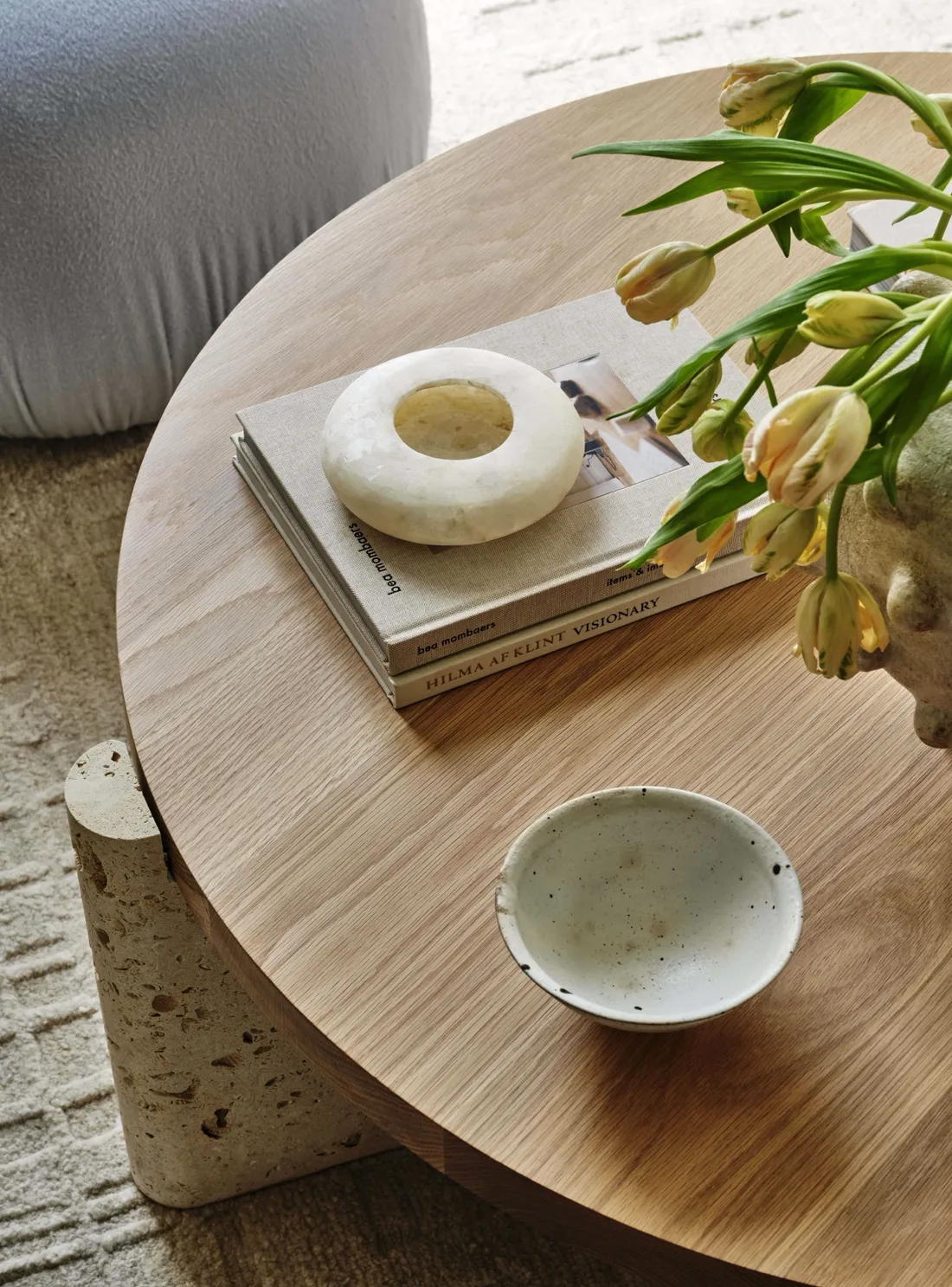
Once furniture, rug and lighting purchasing is complete, we turn to the art, accessories and objects that complete the home. These are sourced, selected and presented to you. They can include throws and pillows, trays, decorative objects for a dining table such as candleholders and candlesticks, bedding and towels, bathroom accessories and pieces for a desk, study or home office.
Art is approached in a similar way. Your designer may take you to galleries to select art and then coordinate its framing, delivery and installation.
Once the art, accessories and objects have been selected, purchased and received, they are installed after the furniture and rugs as the final layer of the home.
Common questions about working with a high-end interior designer
What are the phases of working with an interior designer?
At Lucy Harris, a project moves through four phases: Direction, Design, Purchasing and Installation. Architectural design consulting runs alongside every project.
What should I prepare before working with an interior designer?
Notes, preferences and the things that are important to you, plus images that inspire you, such as favorite restaurants and hotels, a friend’s living room or a place you remember. Pinterest is a useful place to collect them. It does not have to be detailed, but the earlier you share, the better.
How is an interior design budget set?
We develop an itemized, line-by-line budget for all the goods to be purchased, set up room by room and totaled with sales tax, any additional possible charges and estimated delivery. We provide a low and a high estimate, and you should be comfortable with the entire range before we proceed.
Do I need an architect?
Not always. When an architect is involved, we collaborate closely with them. When a project does not require one, we coordinate directly with the general contractor and relevant trades.
Can I see furniture in person before it is purchased?
You may have the opportunity to go on shopping trips. At Lucy Harris, we take you to see pieces in person once you have seen them in a presentation and liked them.
How long does installation take?
The furniture and rug installation may take several days, and your interior designer is there to oversee everything. Lighting goes in before it, and art, accessories and objects are installed after it as the final layer.